

Here are the top AI × Design picks this week 👇
From design to direction: Bridging product design and AI thinking
This article explores how core concepts in AI can reframe how product designers think about feedback, intent, and the future of their role.
As AI reshapes technology, discover how the role of a product designer is evolving from a maker of interfaces to a guide for intelligent systems.
By viewing design as a system of optimization, we can see that AI doesn't replace our craft but rather mirrors and scales our existing processes of learning, iterating, and aligning with user intent.
 Lenny Rachitsky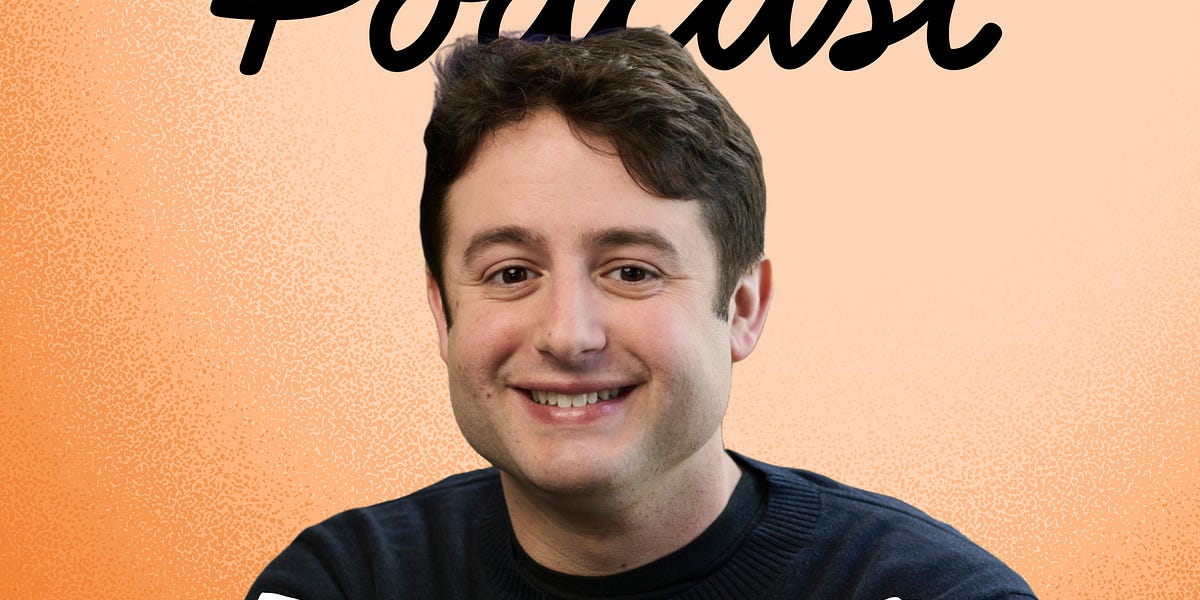
Figma's CEO on Why AI Makes Design and Quality the New Moat for Startups
Figma CEO Dylan Field discusses how AI elevates the importance of design, craft, and quality as a competitive advantage for startups.
Wondering what Figma's failed Adobe acquisition and the rise of AI mean for the future of design and software?
In an era where AI can automate rote tasks, Dylan Field compellingly argues that true defensibility for companies now lies in exceptional design, taste, and a relentless focus on quality.

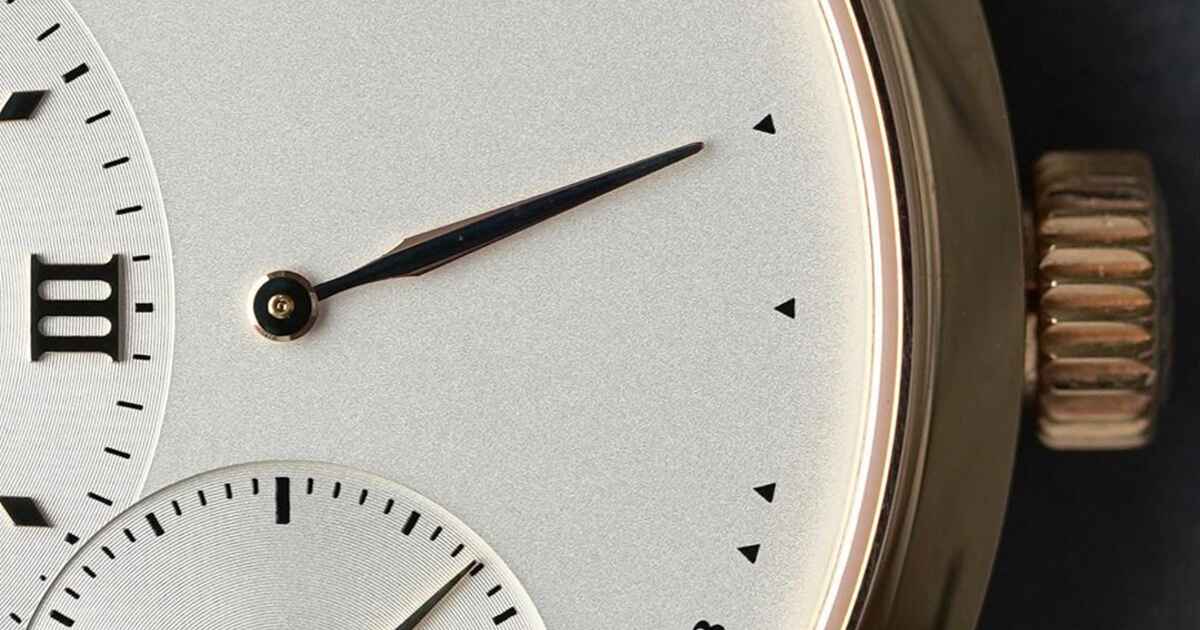
When Design Drives Behavior
An analysis of the A. Lange & Söhne Lange 1 watch reveals how a non-linear power reserve indicator is designed to influence user behavior.
You'll never look at a watch the same way after seeing how this tiny design detail cleverly changes how you interact with it.
The deliberate non-linear progression of the Lange 1's power reserve indicator is a masterful example of how subtle design choices can proactively shape user habits for a better experience, preventing the inconvenience of a stopped watch.